
Legal consultant and expert counsellor
Professor of Criminal Law at Fundação Getulio Vargas Law School in São Paulo
Recognition



Practice
As the founding partner of the firm, Raquel Scalcon dedicates her practice exclusively to high-level legal consultancy in Criminal and Sanctioning Law. She acts as an expert witness and provides legal opinions, and strategic analyses on complex criminal law matters, with recognized expertise in issues that bridge Criminal and Administrative Law as well as Criminal and Constitutional Law.

Curriculum
Raquel earned her Law degree from the Federal University of Rio Grande do Sul (UFRGS) with academic honors (2009). She holds a Master’s in Criminal Sciences from the Pontifical Catholic University of Rio Grande do Sul (PUCRS, 2011), which included a summer course in German Criminal Law Theory at Georg-August-Universität Göttingen, Germany. Raquel completed her Ph.D. in Law at UFRGS in 2016, conducting part of her doctoral research at Georg-August-Universität Göttingen (2014), further strengthening her academic ties with German legal thought.
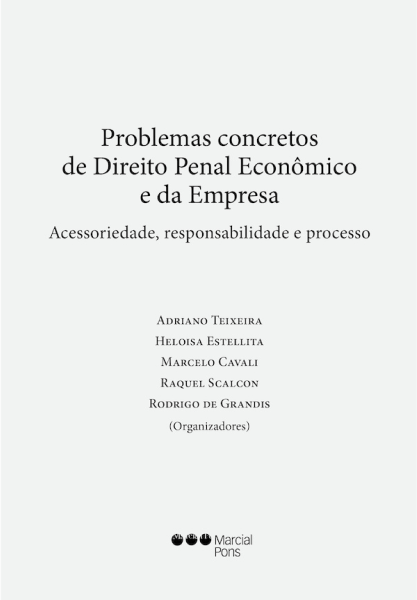
Concrete problems of economic and corporate criminal law
Dissertations approved up to 2022 in the Economic and Business Criminal Law concentration area of the Professional Master’s Program at Fundação Getulio Vargas, São Paulo.

The status of public official in Criminal Law
Concept, distinctions, and cases. Discussions that demonstrate the lack of obviousness in the interpretation of article 327 of the Penal Code. Criminal Law.
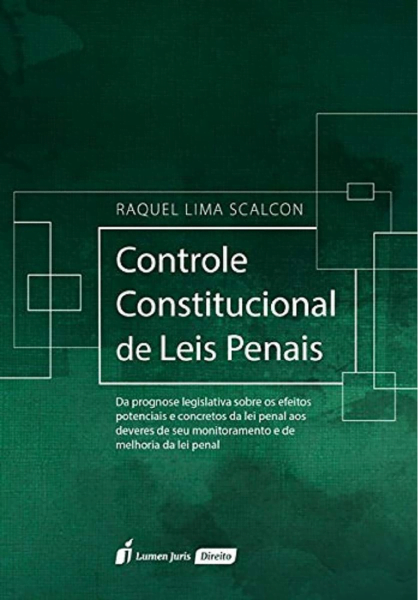
Constitutional Control of Criminal Laws
From legislative forecasts on the potential and concrete effects of criminal law to the duties of monitoring and improving criminal law. Constitutional Law.
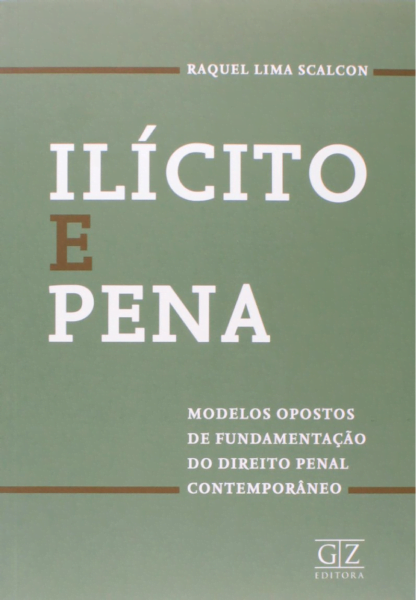
Illegality and Punishment
Opposing models for the foundation of contemporary Criminal Law. The importance of the notions of unlawfulness and punishment. Claus Rozin and José de Faria Costa.

The public official by equivalence in Brazilian criminal law
The article is an adapted version of a legal opinion discussing the interpretation of the expression “typical activity of public administration”, present in Article 327, § 1, final part, of the Penal Code.
Beyond causality and intent
This article aims to demonstrate how the theory of objective imputation of results enriches this examination, as well as to suggest ways of its application.

Interpretive challenges of crimes against democratic institutions
The crimes outlined in articles 359-M and 359-L of the Penal Code, as analyzed by Raquel Scalcon, reveal essential interpretative challenges to the protection of democratic institutions.
The series of crimes in the indictment against Bolsonaro – part 2
This article is a continuation of the discussion on the topic of multiple offenses in the context of the charges against former President Jair Bolsonaro. In this second text, Raquel examines possible connections between the crime of aggravated damage and the crime of deterioration of listed heritage sites.
The problem of multiple offenses in the indictment against Bolsonaro (and others)
Raquel Scalcon’s article addresses the complex issue of multiple offenses in the context of the charges against Bolsonaro and others.
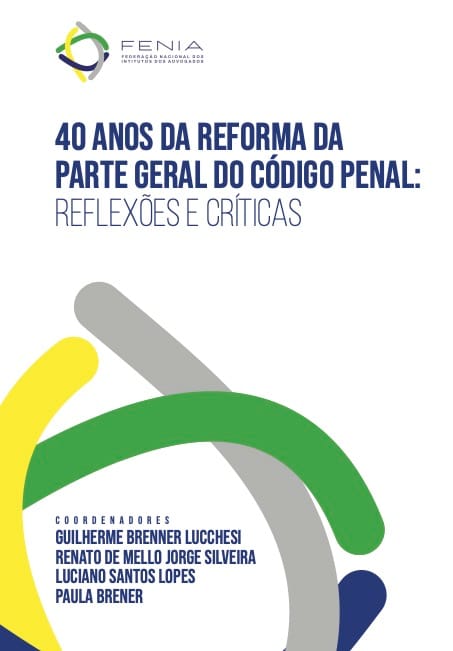
Between the absolute presumption of knowledge of the Law and the particularities of Economic Criminal Law
Discussions surrounding the error of prohibition, since its inclusion in the Penal Code in 1984.

Objective imputation and the “Ride Pillion Case”
The article examines the relevance of the theory of objective imputation in resolving concrete cases.
Scope and limits of the crimes of passive and active corruption
In corruption crimes, the status of being a public official serves as the “gateway” to the criminal protection of the Public Administration, shielding it from both internal and external attacks.
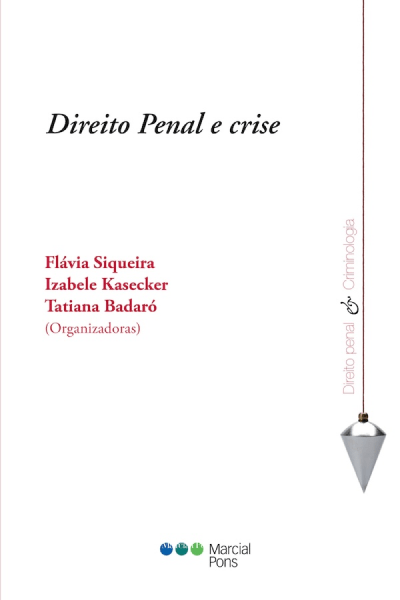
A teleological-restrictive interpretation of bidding crimes in light of the injustice of unfair public management
The Covid-19 pandemic has drawn attention to practical situations, such as the administration of public assets to manage crises in the health sector.
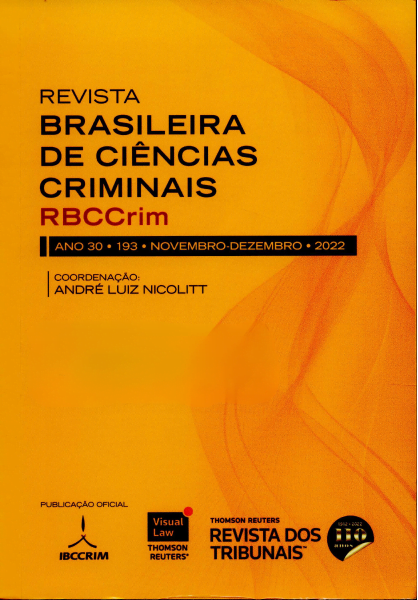
The concept of miscarriage of justice in Brazilian Law
This article is an adapted version of an opinion piece that discusses the concept of judicial error and wrongful conviction in Brazilian criminal law, as well as the criteria for its compensation. It also addresses a procedural issue concerning the possibility of the Superior Court of Justice reviewing the topic.

Legal analysis of Jair Bolsonaro’s preventive detention
In the Edição do Meio-dia of Jornal da Globo News, Raquel Scalcon provides a legal analysis of the preventive detention of former president Jair Bolsonaro.

Legal analysis of the Supreme Court’s ruling on the coup plot
On Globo News’ “Em Ponto” program, Raquel Scalcon provides a legal analysis of the Supreme Court’s ruling on the coup plot.
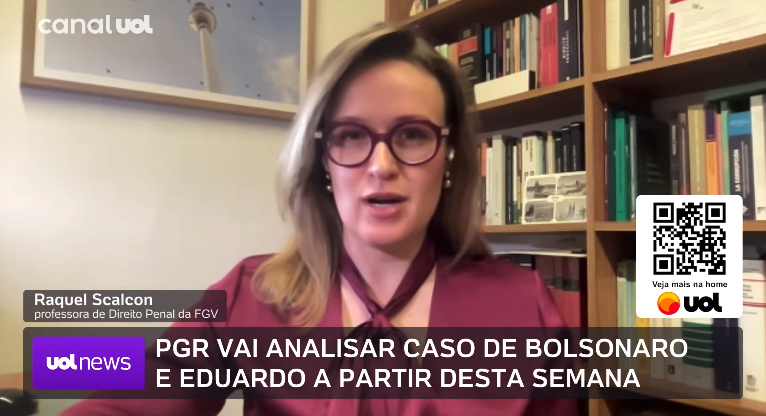
Legal analysis of Bolsonaro’s non-compliance with precautionary measures
Raquel Scalcon believes that the former president did not violate precautionary measures
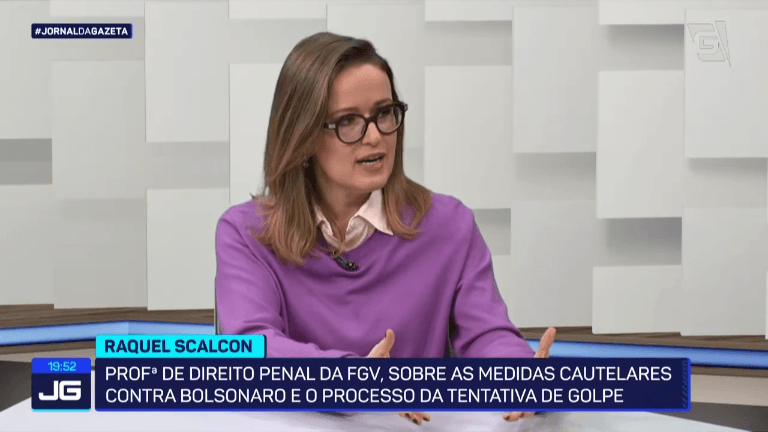
Interview about precautionary measures against Bolsonaro – Jornal da Gazeta
Raquel Scalcon comments on the precautionary measures against Bolsonaro in Jornal da Gazeta.

Legal analysis of the final stages of testimony at the STF in the attempted coup case
FGV professor and lawyer Raquel Scalcon gave an interview to UOL News 1st Edition about the final stretch of defense witness testimonies at the STF regarding Bolsonaro’s attempted coup case.

Commentary on the case of a judge who allegedly fabricated his English ancestry – Fantástico
Raquel Scalcon, a lawyer and professor of criminal law at FGV, gave an interview to Fantástico about the case of the judge who falsified documents and allegedly invented the claim of being of English descent.

Interview about the trial of Bolsonaro and other defendants – Jornal da Gazeta
Raquel Scalcon, a consultant and professor of Criminal Law at FGV, gave an interview to Jornal da Gazeta about the trial of Bolsonaro and other defendants.
Articles and interviews in newspapers

PL of dosimetry
Raquel Scalcon talks with Gustavo Simon and Magê Flores about the aftermath of the chaos and the progress of the bill that reduces penalties for fraudsters (PL of dosimetry).

Consolidated in the Supreme Federal Court, the basis for the start of sentencing is the subject of questioning.
According to Raquel Scalcon, neither the Code of Criminal Procedure nor the Supreme Court’s rules require a qualified dissenting opinion, a gap filled by the justices based on the logic of proportionality.
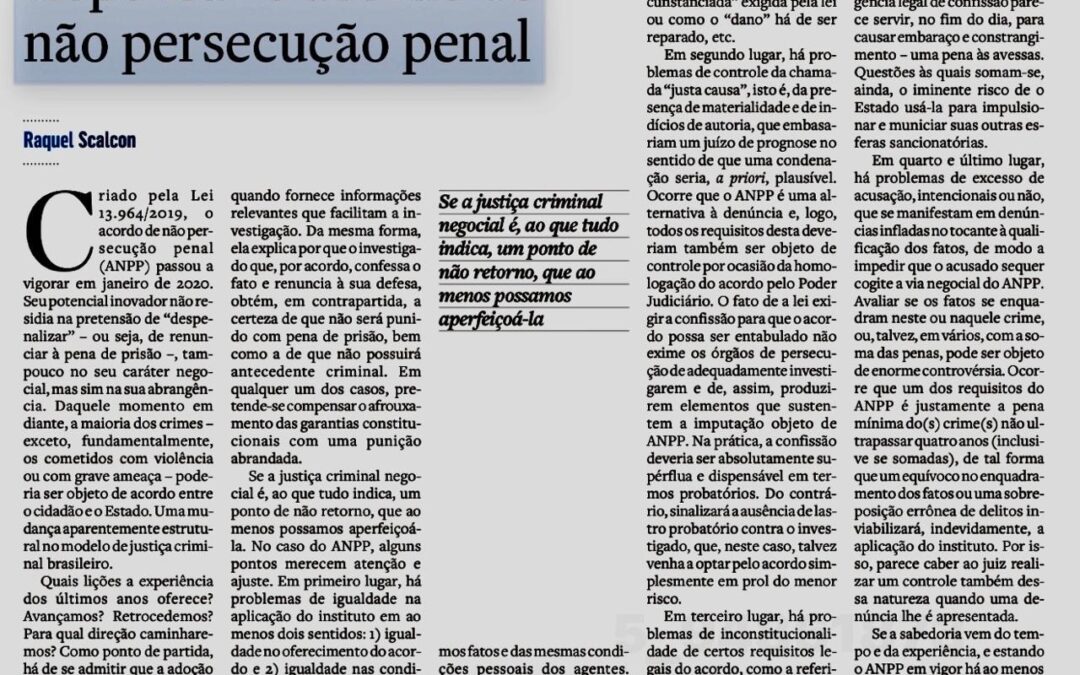
Rethinking the non-prosecution agreement
After five years of the non-prosecution agreement (ANPP) being in effect, Raquel Scalcon points out the practical problems of the law and proposes that negotiated justice be improved.
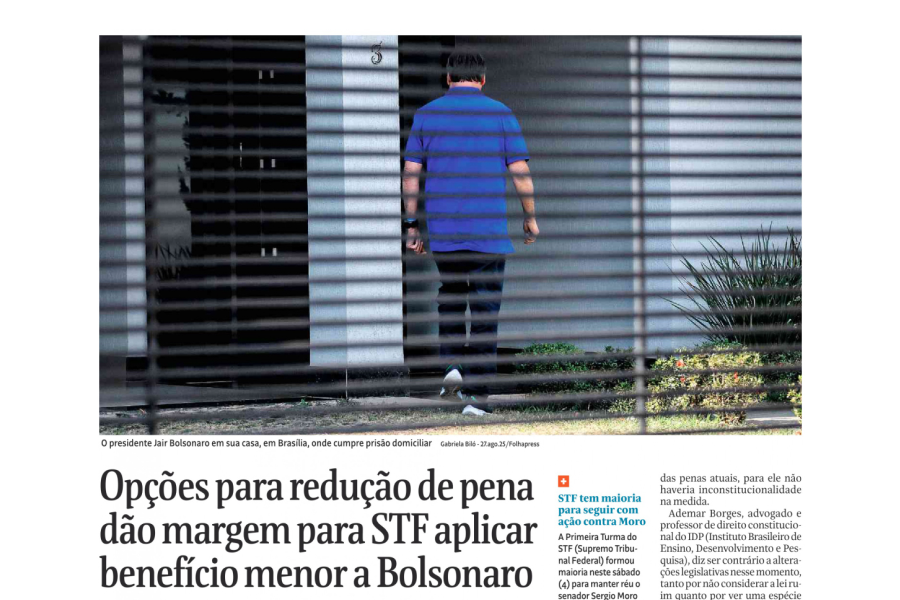
Options for reducing sentences leave room for the STF to apply a lesser benefit to Bolsonaro
Lawyer and criminal law professor Raquel Scalcon sees no logic in altering the severity of the penalties for the crimes themselves in the Penal Code, pointing out that they are not high.
Experts say that reducing penalties for fraud could create a sense of impunity
For Raquel Scalcon, reducing the specific penalties for each crime doesn’t seem like the right measure because the penalties aren’t high enough for those crimes, even when compared to other countries.

Bolsonaro’s conviction and the future of democracy
Raquel Scalcon analyzes the technical issues involved in the landmark trial and its impact on the future of democracy, as well as the possibility of the amnesty bill succeeding.

What constitutes an attempted coup and what constitutes the violent abolition of the state?
Raquel Scalcon told Nexo that the attempt to abolish the law would stem from the “institutional coercion” suffered by the STF throughout Bolsonaro’s presidency, in order to restrict or prevent the full and free exercise of the functions of this jurisdictional body.
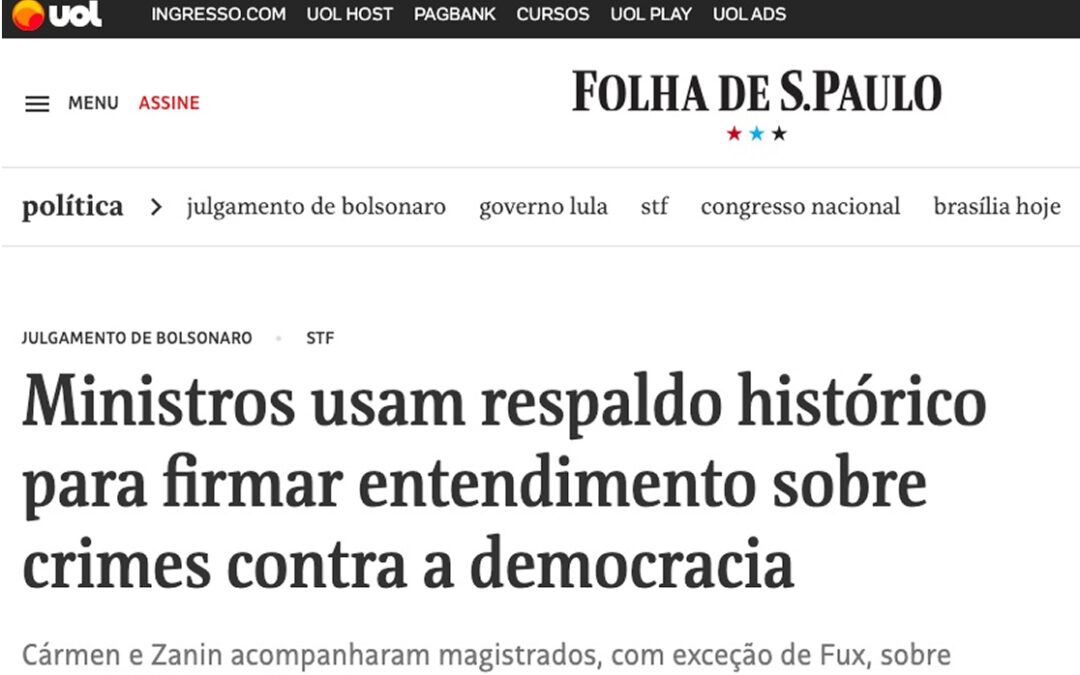
Ministers use historical precedent to solidify understanding on crimes against democracy
According to Raquel Scalcon, most ministers, as well as the Attorney General’s Office, adopted a broader interpretation of violence and serious threats than that traditionally used in legislation.